
What Do the RBQ, APCHQ and CCQ Certifications Guarantee for Your Project?

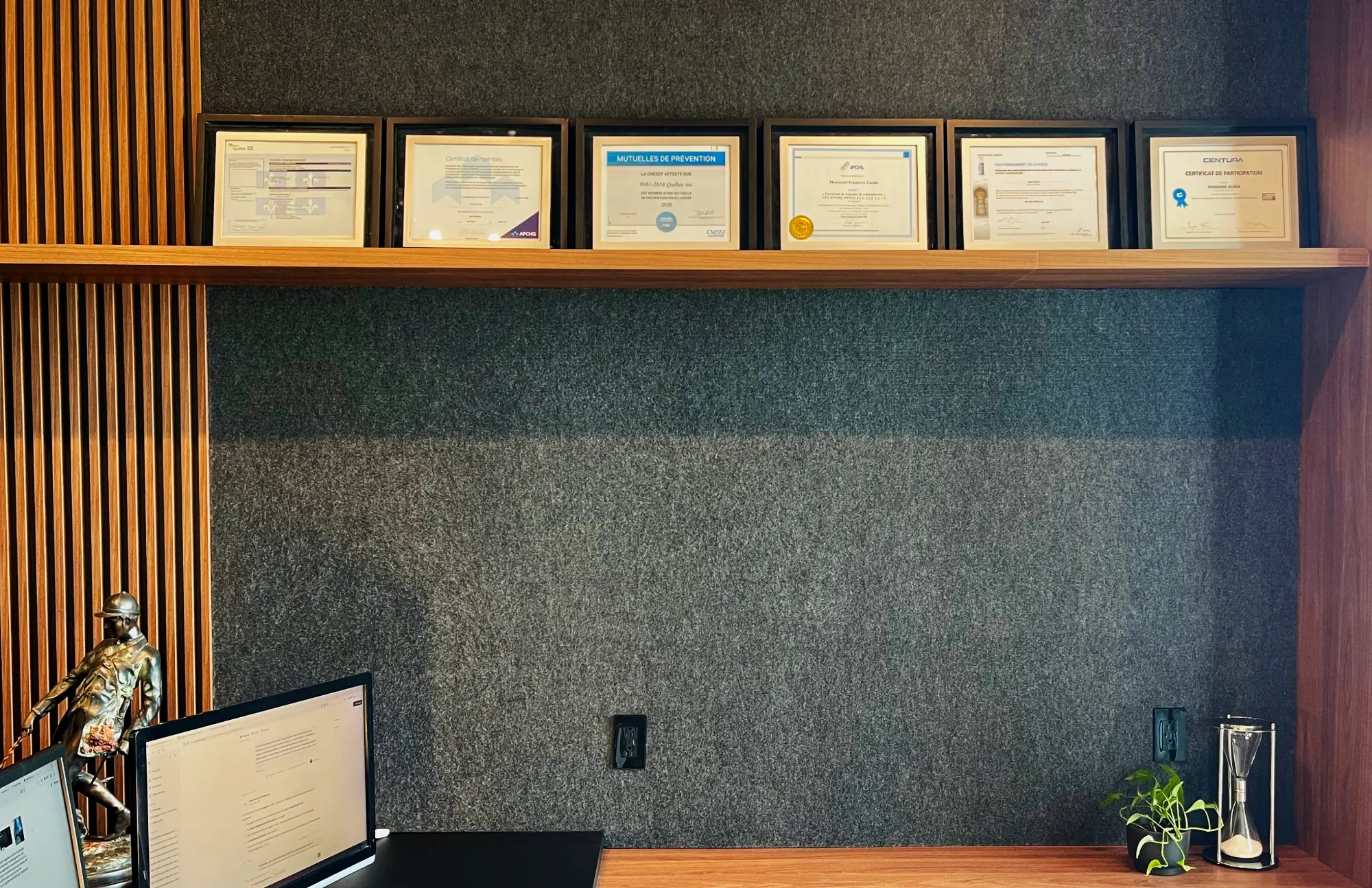
The RBQ licence is a legal requirement that authorizes a contractor to carry out work in Quebec and provides a bond in case of default; APCHQ membership reflects a voluntary commitment to recognized practice standards; CCQ certifies the qualifications of workers on site. Groupe Cartier has held RBQ licence 8264-6134-49 since May 2002, has been an APCHQ member since May 2008, and has employed CCQ-certified labour for more than 12 years.
Choosing a contractor for a residential renovation is a major financial commitment, often exceeding $100,000 for a large-scale project in Greater Montreal. Yet the difference between a successful project and a financial nightmare often comes down to three sets of letters that few homeowners take the time to check: RBQ, APCHQ and CCQ.
This article explains what each certification actually guarantees, how to verify a contractor's licence before signing a contract, and why these checks directly protect your budget and your legal recourse if something goes wrong.
The RBQ Licence: The Legal Requirement You Can't Skip
The Régie du bâtiment du Québec (RBQ) is the body that legally regulates construction and renovation contractors in the province. Any company that carries out construction work, major renovations, or work affecting the structure, electrical system or plumbing must hold a valid RBQ licence, tied to specific categories of authorized work.
In concrete terms, an RBQ licence guarantees:
- That the contractor has demonstrated administrative and technical competence to the Régie.
- A licence bond that financially protects the client in the event of the contractor's bankruptcy or default.
- Access to the public registry of licence holders, where a company's disciplinary history can be checked.
Groupe Cartier has held RBQ licence no. 8264-6134-49 since May 2002, more than 24 years of continuous practice in Quebec. Before signing a contract with a contractor, it is strongly recommended to verify the licence number directly on the Régie du bâtiment du Québec website, which shows in real time whether the licence is active and covers the intended categories of work.
How to Verify an RBQ Licence Before You Sign
Verification takes only a few minutes and should be a routine step before any financial commitment. Here's how:
- Go to the licence holder registry on rbq.gouv.qc.ca.
- Enter the licence number provided by the contractor, or search by company name.
- Confirm that the status is active and that the categories of work (residential, general contractor, etc.) match your project.
- Check for any restrictions, suspensions or active disciplinary files.
A simple habit that avoids a lot of problems: always ask for the RBQ licence number in writing before signing a quote, and verify it yourself rather than relying solely on the contractor's word. This free step can prevent significant financial losses.
APCHQ: Practice Standards and Ongoing Training
Unlike the RBQ licence, membership in the APCHQ (Association des professionnels de la construction et de l'habitation du Québec) is voluntary. It reflects a contractor's commitment to practice standards recognized by the industry, access to ongoing training, and involvement in best practices in the residential construction sector.
Groupe Cartier has been an APCHQ member since May 2008, more than 17 years of continuous membership in the association. For a homeowner, this long-standing membership is an indicator of stability and professional seriousness, above and beyond the legal minimum required by the RBQ.
CCQ: Verified Skills on the Job Site
The RBQ licence governs the company, but it's the Commission de la construction du Québec (CCQ) that certifies the individual skills of construction workers in their respective trades: carpenters, electricians, plumbers, and other regulated trades.
At Groupe Cartier, the labour force has been CCQ-certified for more than 12 years, and the site team works entirely in-house: project managers, site supervisors, carpenters and cabinetmakers, rather than subcontractors hired on a case-by-case basis with no verifiable track record. This continuity allows for consistent quality control from one project to the next.
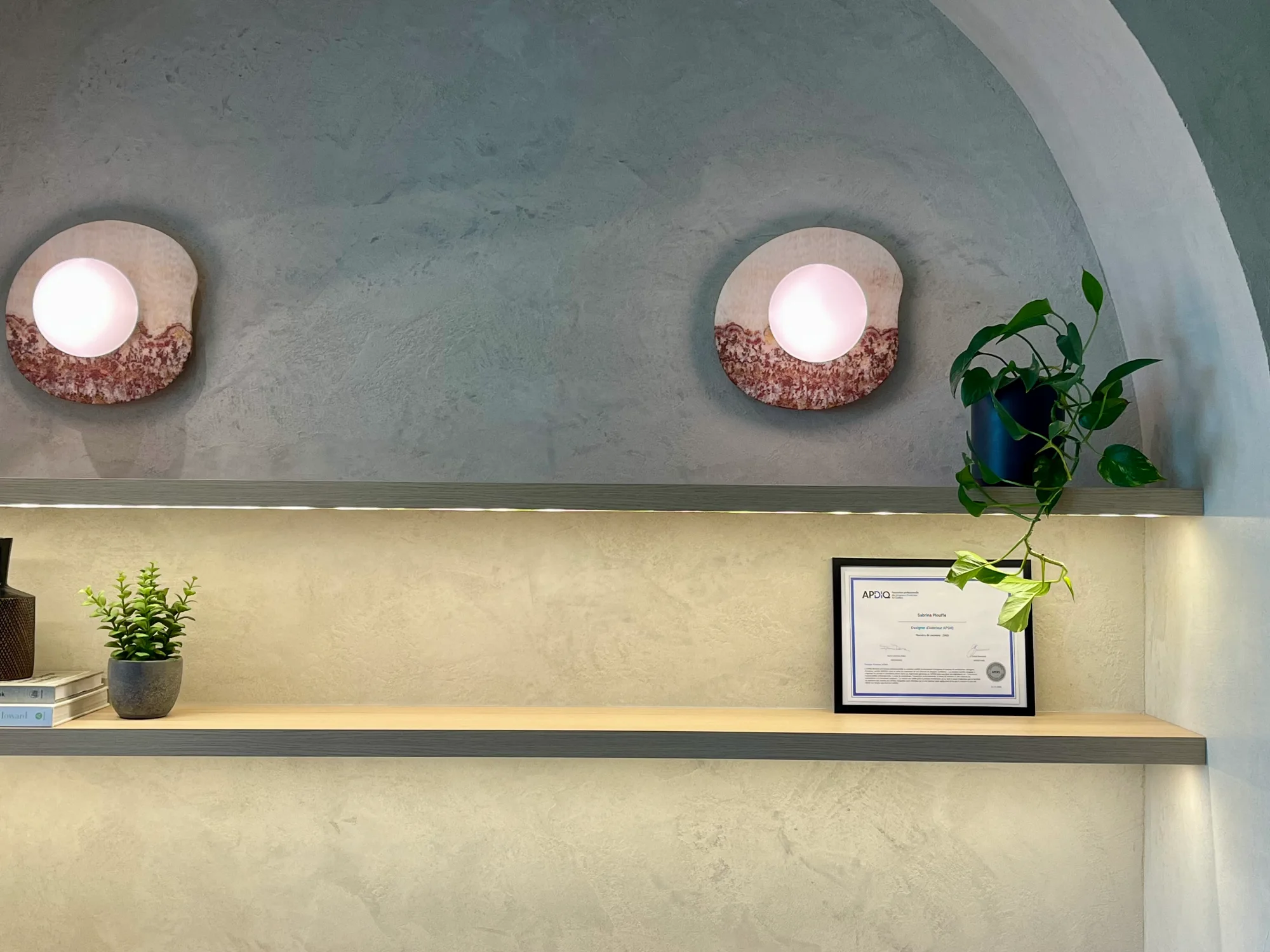
The team's interior designers, for their part, are members of the APDIQ, the association that governs professional practice for interior design in Quebec, an added layer of professionalism for interior design and custom kitchen projects.
What Each Certification Guarantees, At a Glance
| Certification | Type | What It Guarantees |
|---|---|---|
| RBQ | Mandatory (legal) | Right to carry out work, licence bond, legal recourse in case of default. |
| APCHQ | Voluntary | Practice standards, ongoing training, professional credibility. |
| CCQ | Mandatory for regulated trades | Certified competence of workers on site. |
| APDIQ | Voluntary (designers) | Professional oversight of interior design practice. |
The Real Risks of Undeclared Work and Unlicensed Contractors
Hiring an unlicensed contractor, often motivated by a lower price, exposes the homeowner to risks well out of proportion to the apparent savings:
- No financial recourse in the event of bankruptcy, job abandonment or major defective work, since there is no RBQ bond in place.
- Voided home insurance coverage: several insurers refuse to cover damage tied to work carried out without a proper licence.
- Building code non-compliance, which can complicate resale of the property or trigger costly corrective work required by the municipality.
- No guarantee on the workforce, since workers without CCQ certification don't necessarily hold the qualifications required for regulated trades.
For a large-scale project, whether it's a turnkey renovation in Outremont, Westmount or the Town of Mount Royal, or an addition in Boucherville or Saint-Bruno-de-Montarville, these checks aren't a formality: they determine your legal and financial protection for the entire duration of the project.
Checklist Before Signing a Renovation Contract
Before hiring a contractor for a project in Montreal, Laval or the South Shore, here are the essential checks:
- Is the RBQ licence number active, and does it cover the right category of work? (verify on rbq.gouv.qc.ca)
- Does the company have a verifiable track record, including real completed projects?
- Is it a member of recognized associations such as the APCHQ?
- Is the on-site labour force CCQ-certified, or are they unknown subcontractors?
- Does the contract provide a single point of contact accountable for quality, timelines and budget?
Groupe Cartier meets every one of these criteria, and has since 1998, with an integrated team that covers design, construction and delivery without unknown intermediaries. Our 6-step process details how these checks fit concretely into a project. Visit our about us page for our full list of certifications, or our FAQ for other frequently asked questions about our services.
Our Service Areas
Groupe Cartier serves Greater Montreal, Laval, the South Shore, and the North Shore, including Longueuil, Brossard, Boucherville, Saint-Lambert, Saint-Bruno-de-Montarville, Terrebonne, Blainville, and Mirabel. Contact us to confirm your area.
Frequently Asked Questions
How do I verify a contractor's RBQ licence in Quebec?
Simply consult the licence holder registry on the official website of the Régie du bâtiment du Québec, at rbq.gouv.qc.ca, by entering the licence number or the company name. The registry shows whether the licence is active, which categories of work it covers, and whether the contractor has a disciplinary record or a suspension. Groupe Cartier's licence, number 8264-6134-49, has been active since May 2002.
What does an RBQ licence actually guarantee a homeowner?
The licence bond is the most misunderstood part: it is a capped amount, not insurance that covers every possible type of damage. It mainly protects you in the event of bankruptcy or job abandonment, up to a ceiling set by the Régie. Without a valid licence, this recourse simply does not exist, and home insurers can also refuse to cover damages that result from it.
What is the difference between RBQ, APCHQ and CCQ?
The RBQ licence is a legal requirement issued by the Régie du bâtiment du Québec that authorizes a contractor to carry out construction work. Membership in the APCHQ, the Association des professionnels de la construction et de l'habitation du Québec, is voluntary and reflects a commitment to recognized practice standards and ongoing training. CCQ certification, issued by the Commission de la construction du Québec, confirms that workers on site hold the required qualifications in their respective trades.
What are the risks of hiring an uncertified contractor?
Beyond the loss of financial recourse, the most underestimated risk concerns resale: non-compliant work carried out without a permit or a valid licence can surface during a buyer's pre-purchase inspection, force costly corrective work, or lower the property's value at the time of sale, years after the project was completed.
Talk to a Licensed, Transparent Team
A free, no-obligation discovery call to discuss your project with a team that's RBQ-licensed and an APCHQ member since 1998.
Book My Discovery Call Or call us: 514 629-6029